
Building a semi-custom home is an excellent way to create a personalized living space while benefiting from a pre-designed framework. By carefully choosing finishes, layouts, and materials, you can achieve a home that truly matches your lifestyle. However, without proper planning and realistic expectations, unexpected expenses, delays, and frustration can arise. This guide highlights eight common mistakes in semi-custom home building and offers practical advice to help you avoid them.
Building your dream home is both exciting and challenging. With clear communication and a well-thought-out plan, you can keep your project on track. The sections below identify key pitfalls and provide actionable steps that help you manage your budget, schedule, and overall satisfaction throughout the process.
Mistake #1: Treating a Semi-Custom Home Like a Fully Custom Build
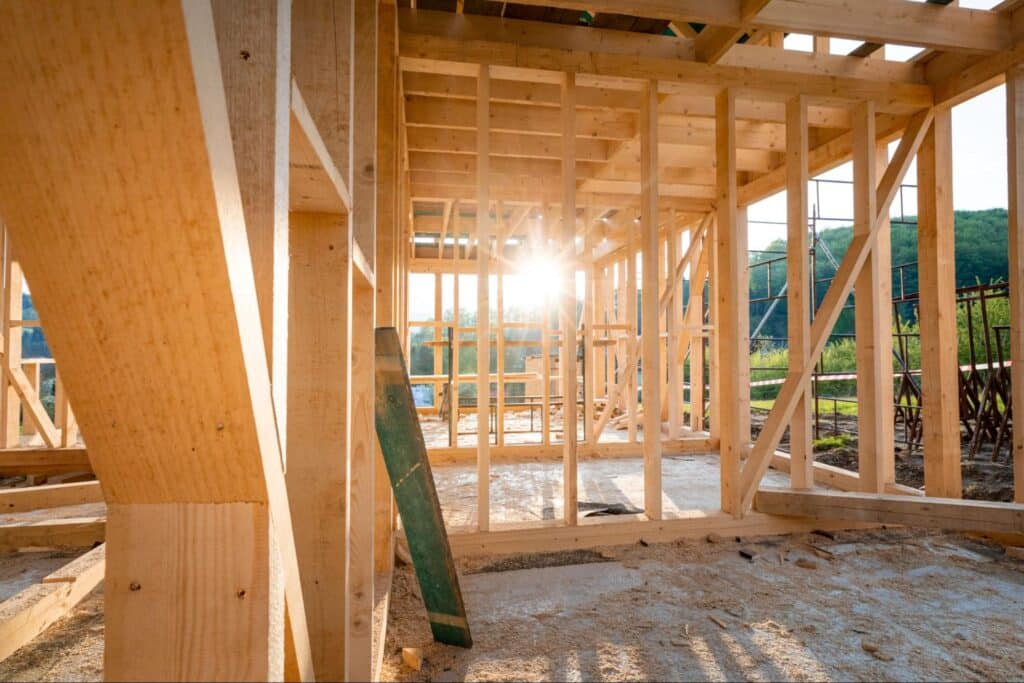
Many homeowners mistakenly assume that a semi-custom home offers the same unlimited design flexibility as a fully custom build. While you can select finishes and tweak layouts, certain structural features, such as load-bearing walls or major rooflines, are predetermined. Expecting the freedom to redesign these core components can lead to frustration, delays, and increased costs.
To avoid this mistake:
- Clarify which aspects of the design are modifiable.
- List your must-have features separately from flexible options.
- Speak with your builder early to understand both your possibilities and limitations.
For instance, a homeowner might envision removing a load-bearing wall to create a wide-open living area, only to learn late in the process that the design can’t accommodate such a change. Reinbrecht Homes emphasizes clear upfront communication about structural boundaries so you understand what can and cannot be changed before you commit.
Mistake #2: Overlooking the Full Scope of the Budget
A low base price may seem attractive at first, but it rarely tells the whole story. Many additional expenses—such as site preparation, permits, design upgrades, landscaping, and utility connections—can quickly add up. Simply focusing on the base cost may leave you unprepared when these hidden expenses surface.
To avoid budget surprises:
- Request a detailed cost breakdown that lists every potential expense.
- Set aside an extra reserve to cover unforeseen issues or overruns.
- Meet regularly with your builder to review your budget and stay ahead of potential cost increases.
For example, one homeowner might be drawn to a low base price, only to later discover that optional features such as extended driveways, high-grade appliances, or custom cabinet finishes significantly increase the total bill. Reinbrecht Homes provides detailed pricing and allowance breakdowns to help you see the full financial picture—not just the base price.
Mistake #3: Choosing a Floor Plan That Doesn’t Fit Your Lifestyle
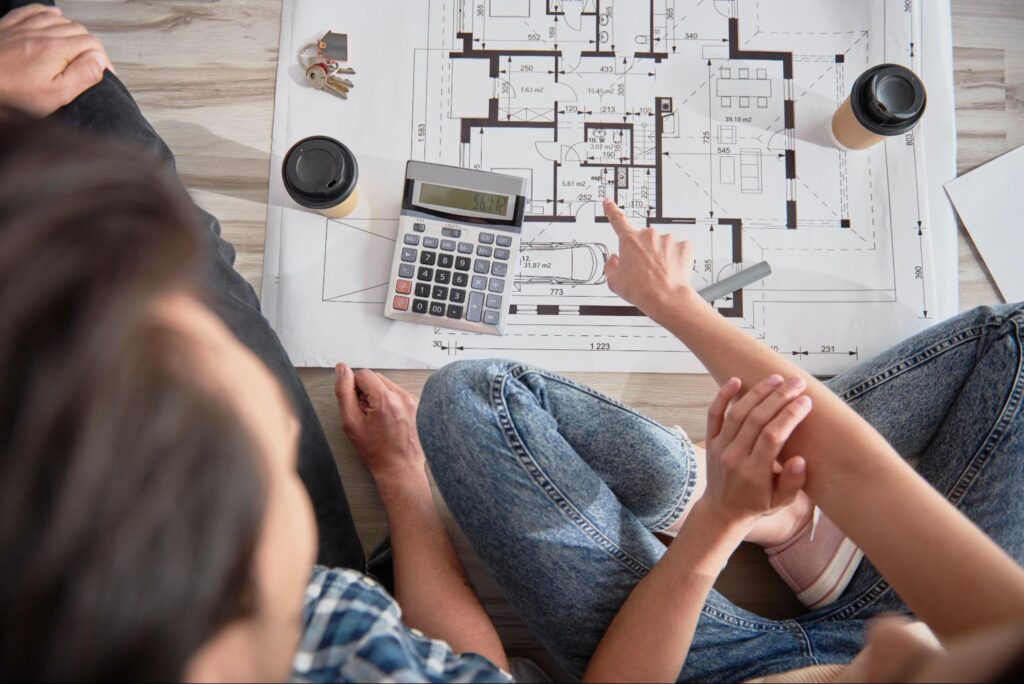
A floor plan must align with your daily routines and long-term needs, not just look good on paper. A design that appears attractive on promotional materials might not work well for your family, work-from-home setup, or social gatherings. For instance, a layout with isolated workspaces may not be ideal if you need an open, integrated living area.
To choose the right floor plan:
- Evaluate your current and future needs over the next 5 to 10 years.
- Consider how each room will be used in daily life.
- Use 3D walkthroughs or visit model homes to see the space in action.
Many families discover only after moving in that they need an extra bedroom or a dedicated home office. Reinbrecht Homes works with buyers early to align floor plans with how they actually live, helping ensure the home functions well today and in the years ahead.
Mistake #4: Misjudging Project Timelines and Decision Volume
Building a semi-custom home involves many decisions—from selecting finishes to choosing appliances. Homeowners often underestimate the time required to make these choices. Rushed or delayed selections can lead to construction slowdowns or results that do not meet your expectations.
Keep the process under control by:
- Creating a decision-making timeline with your builder.
- Reviewing design samples and options well before construction begins.
- Relying on your builder’s expertise when decisions become overwhelming.
For instance, a family that delays in choosing kitchen cabinets might face shipping delays and a disrupted installation schedule. Reinbrecht Homes uses tools such as Buildertrend to outline decision deadlines and selections, helping you stay organized and keep the build on schedule.
Mistake #5: Treating Financing as an Afterthought
Financing for a semi-custom home is distinct from a traditional home purchase. Many buyers delay arranging construction loans or don’t fully understand the disbursement process, leading to cash flow problems and potential project delays. Addressing your finances upfront is crucial to a successful build.
Keep your financing on track by:
- Researching construction-specific loan options, including loans that transition to permanent financing.
- Securing pre-approval early to clarify how much you can borrow.
- Budgeting not only for construction but also for temporary housing if needed during the build.
For instance, one homeowner might finalize a general mortgage only to discover that the release of funds in stages isn’t aligned with the construction schedule, stalling progress. Reinbrecht Homes offers guidance on construction-friendly financing options and disbursement schedules so buyers understand how funds will be released throughout the build.
Mistake #6: Failing to Thoroughly Vet Your Builder
Your builder is your key partner in bringing your dream home to life. Selecting the wrong builder can lead to miscommunication, subpar workmanship, and delays. A reliable builder not only constructs your home to high standards but also guides you through the entire process.
Vet your builder by:
- Checking reviews, testimonials, and references from previous customers.
- Touring completed projects to evaluate quality and attention to detail.
- Assessing the builder’s communication style and dedication to transparency.
- Confirming credentials and industry affiliations for credibility.
Some homeowners choose a builder based solely on marketing materials only to encounter communication issues later on. Reinbrecht Homes highlights past projects, reviews, and a clear communication process so prospective buyers can evaluate whether the company is the right fit for their build.
Mistake #7: Lack of Clear Priorities and Frequent Design Changes
Frequent design changes or unclear priorities can disrupt your building project, leading to delays and cost overruns. Each change, even minor ones, might necessitate adjustments in orders and labor.
To keep your project steady:
- Document and rank your design priorities clearly—what’s essential and what’s optional.
- Commit to your chosen plan without making last-minute modifications once construction begins.
- Ensure all decision-makers are aligned with the overall vision.
- Review all design options thoroughly during the pre-construction phase to reduce later changes.
For example, some homeowners opt for one style of kitchen island and later switch to an entirely different design mid-build, causing reorder delays and extra costs. At Reinbrecht Homes, the design team works to refine your vision before construction starts, helping reduce costly mid-build changes.
Mistake #8: Picking the Wrong Lot or Neighborhood
Choosing the wrong lot or neighborhood can impact your daily life, budget, and long-term satisfaction. Overlooking location factors—such as commute times, schools, future development, or neighborhood rules—and underestimating site constraints like grading, drainage, and utility access can lead to costly surprises and regrets.
To avoid this mistake:
- Evaluate lot and neighborhood options early in the process.
- Consider key location factors including commute, schools, amenities, and overall community fit.
- Consult your builder about site-specific costs and constraints, such as grading, drainage, and utility access.
- Review any HOA guidelines, covenants, and local zoning that may affect what you can build.
For example, a homeowner might fall in love with a floor plan but later discover that their chosen lot requires expensive grading and drainage work. Reinbrecht Homes collaborates with buyers to review lot characteristics and neighborhood considerations early, so the site supports both the home design and long-term goals.
Long-Term Value: Maintenance, Resale, and Return on Investment
Beyond immediate construction decisions, it’s essential to think about how your choices will affect long-term maintenance, comfort, and resale value. The right materials, systems, and design choices can reduce ongoing costs, support your lifestyle as it evolves, and help protect your investment.
Before finalizing any design decisions, consider the long-term financial impact of each option—from exterior materials to mechanical systems and energy-efficient upgrades. Weigh potential property appreciation and lower utility or maintenance costs against the upfront expense to ensure your semi-custom home functions as a sound financial asset over time.
As you plan and live in your home, keep these points in mind:
- Choose durable, low-maintenance materials that stand up to everyday wear, weather, and time, reducing the need for frequent repairs or replacements.
- Prioritize energy-efficient systems and features—such as high-performance windows, insulation, and HVAC—to lower utility bills and increase buyer appeal down the road.
- Design adaptable spaces (flex rooms, home offices, finished basements) that can evolve with your family’s needs, enhancing both day-to-day usability and future resale potential.
- Plan for ongoing maintenance by scheduling regular inspections of roofing, plumbing, and electrical systems to preserve your home’s integrity and value.
- Leverage smart home technology for energy management, security, and convenience, which can improve your living experience and make your home more attractive to future buyers.
- Maintain communication with your builder post-construction when possible, using periodic check-ins to address emerging issues early and clarify any questions about systems or finishes.
Discuss these long-term considerations with your builder early in the process. Doing so helps you align design, budget, and construction choices with your long-range goals, supporting a home that remains comfortable, efficient, and marketable for years to come.
Putting It All Together: Build Your Semi-Custom Home with Confidence
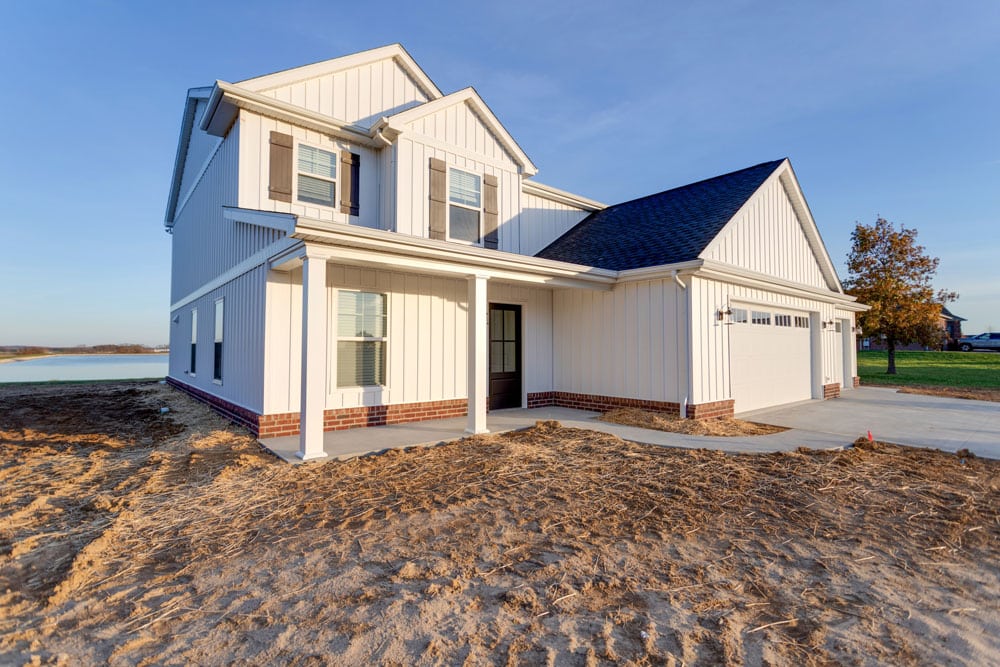
Building a semi-custom home offers a balanced path between personalization and practicality. By setting realistic expectations, preparing a complete budget, choosing a floor plan that truly fits your lifestyle, planning thoroughly before construction, arranging appropriate financing, selecting the right lot or neighborhood, and partnering with a vetted builder, you can avoid many of the most common pitfalls.
Reinbrecht Homes focuses on clear communication, detailed planning, and guided selections—supported by tools like Buildertrend—to help keep your project organized from the first design conversation through closing. Taking a proactive, informed approach gives you the best chance of a smooth, rewarding build.
If you’re considering a semi-custom home in Southern Indiana or Eastern Illinois, contact Reinbrecht Homes today to schedule a consultation and start planning a semi-custom home that strives to honor your vision with careful guidance, professional expertise, and a thoughtful building process from start to finish.
