
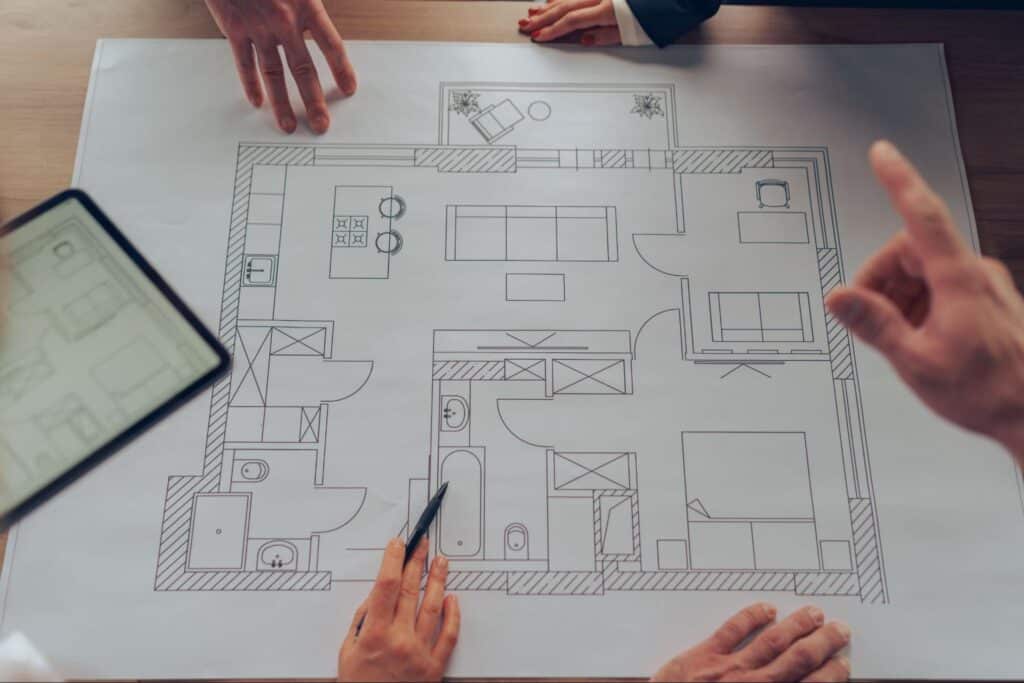
Designing a new home is an exciting journey full of opportunities to create a space that suits your family’s lifestyle. Yet many homeowners later regret decisions made on their floor plans—regrets that usually stem from overlooking everyday functionality rather than choices like paint colors. In a well-planned semi-custom home design, making the right decisions early on is vital to avoid costly modifications later. In fact, many couples look back on their floor plan regrets and wish they had given more thought to the layout from the start.
In this article, we explore common issues in semi-custom homes and offer guidance on prioritizing critical features. By focusing on key design elements like logical room placement and ensuring proper traffic flow, you can enhance your home’s functionality and help your living space evolve with your family’s needs.
Why “Regret” Features Are Almost Always Floor Plan Problems
Most floor plan regrets aren’t about finishes—they come from a layout that doesn’t support everyday life. By focusing early on flow, storage, and key room placement (especially in a semi-custom build), you can avoid costly changes later and end up with a home that simply works better.
Why Floor Plan Regrets Focus on Function Over Finish
While décor might be refreshed easily, structural decisions made during the design phase can lead to long-lasting challenges. Essential elements such as well-planned storage, mindful logical room placement, and a home layout that supports smooth traffic flow make a significant difference in day-to-day living. Early attention to these factors—even decisions affecting crucial plumbing systems—ensures you avoid the disruption and expense of remodeling later.
Prioritizing function means placing emphasis on key areas that support your daily routines. When you thoughtfully map out where rooms and utility spaces will go, your home works for you from the very first day.
Early Decisions: Plumbing, Walls, and Traffic Flow
A simple rule when planning your home is: if a feature affects plumbing, walls, or how people move through the space, it must be decided early. Changing structural aspects later is not only expensive but can also disrupt your home’s overall flow. Consider critical choices such as positioning bathrooms, laundry rooms, and doorways. For example, relocating a laundry room post-construction often means redoing plumbing decisions, and adjusting a doorway might require rethinking wall placements. Working closely with your builder from the start allows you to integrate these essential features seamlessly.
How Semi-Custom Homes Let You Prioritize Functionality
Semi-custom homes offer a balance between pre-designed options and full customization. With this approach, you begin with a solid foundation that you can personalize along the way. By choosing the details you need from the beginning, such as when to integrate a dedicated practical mudroom or drop zone, you avoid compromises later and set the stage for a home that truly works for your lifestyle. The process encourages early planning for spaces that support everything from meal prep to daily organization.
The Top 10 Floor Plan Features to Prioritize
When reflecting on their choices, many families cite overlooked functional features rather than aesthetic ones as their biggest regrets. Below are the top 10 elements to focus on—each with its own “Plan Now” recommendation.
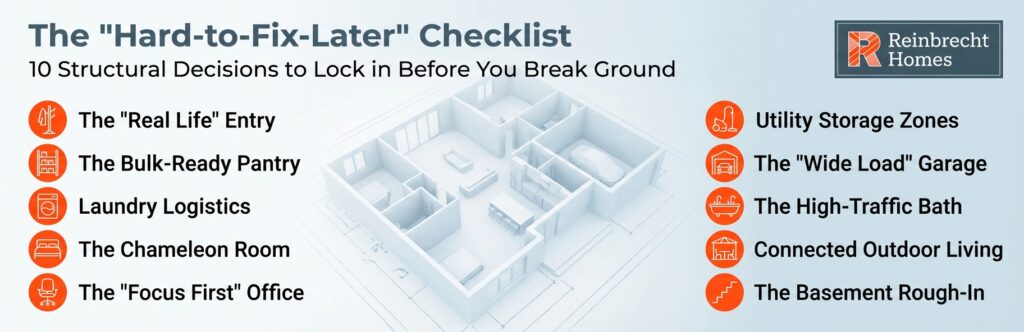
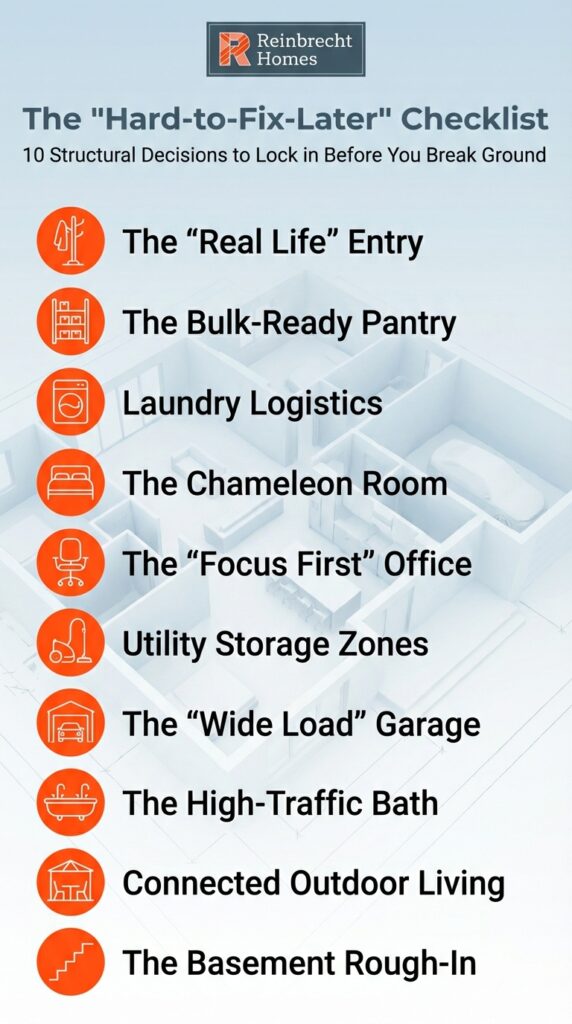
1. A Real Mudroom/Drop Zone (Not Just a Hallway)
- The regret: Without a true landing zone, backpacks, shoes, and sports gear end up dumped in the kitchen or along the main walkway—creating daily clutter right where your family gathers most.
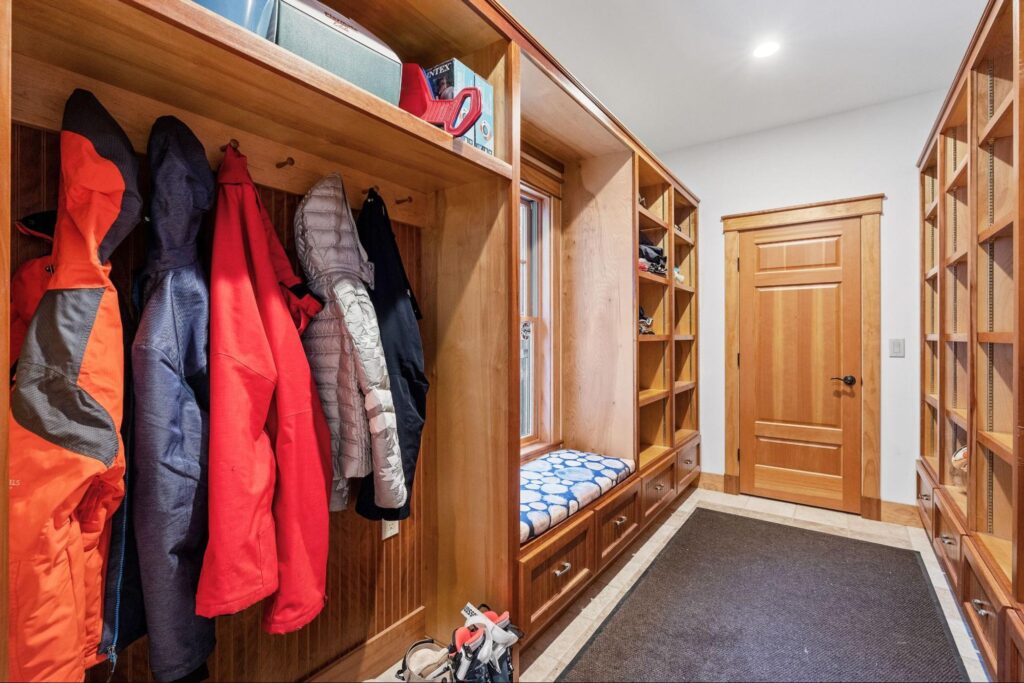
- What to include: Plan a dedicated space that’s built for real life: a bench for taking off shoes, hooks at kid-friendly heights for coats and bags, closed storage for items you don’t want on display, and a charging shelf or cubby to keep devices (and cords) contained.
- Plan now: This feature depends on the right location (near the garage or main entry) and enough square footage to function—both are much harder to fix after the floor plan is set.
2. A Pantry That Matches How Families Actually Shop
- The regret: A pantry that’s too small—or the wrong style—can’t keep up with bulk groceries, snack bins, and small appliances. When storage falls short, food and countertop gadgets start spilling into kitchen counters and upper cabinets.
- What to include: Choose the pantry type that fits your routines: a walk-in pantry for bulk items and appliance storage, or a well-designed wall pantry with enough shelving to stay organized. The hidden win is everyday usability—less countertop clutter and easier meal prep because everything has a dedicated place and is easy to find.
- Plan now: Pantry success depends on the right square footage and details like the door swing (and how it affects kitchen flow). Those layout decisions are difficult and expensive to change later.
3. Laundry Where the Laundry Happens (and Room to Sort)
- The regret: Families often realize too late that the laundry room is in the “wrong” place—either far from bedrooms or tucked into a tight pass-through with no space to sort. The biggest complaint is daily friction: hauling baskets up and down stairs, fighting bottlenecks, and never having a spot to fold.
- What to include: Decide early whether main-floor or second-floor laundry fits your routine best—most regrets come from choosing convenience for one stage of life (like toddlers) but not planning for the long-term (like kids’ bedrooms and towels living upstairs). No matter the location, build in true usability with counter space for folding and sorting, a hanging rod for air-dry items, and linen storage nearby to keep towels and sheets from migrating into random closets.
- Plan Now: Laundry placement affects plumbing, venting, and overall layout, and those are some of the hardest (and most expensive) changes to make once construction is underway.
4. A Flex Room That Can Become a Real Bedroom Later
- The regret: Families often wish they’d planned for an extra space that could shift over time—WFH needs, guests, a playroom, or even an aging parent moving in. Without it, the home can feel “maxed out” sooner than expected, even if the square footage is generous.
- Smart planning: Build flexibility into the room from the start with a closet option (or at least the wall space to add one), a nearby bathroom that makes overnight stays practical, and sound separation from high-traffic areas so it can function as a true office or guest space.
- Plan now: Make these decisions early because they’re tied to the bones of the home—doorways, window placement, and code-ready sizing that can legitimately support future bedroom use.
5. A “Quiet Office” Location (Not an Office in the Loft)
- The regret: An office placed in a loft or other open area often turns into a frustration point once real life kicks in—open-plan noise during calls, kids doing homework nearby, and no true separation when you need to focus.
- Placement tips: Position the office away from the kitchen and great room so everyday activity doesn’t bleed into work time. If you expect client drop-ins or deliveries, placing it nearer to the front entry can add privacy and professionalism without sending visitors through the main living space.
- Plan now: Room placement is hard to “fix later,” so choose the office location early while you can still optimize noise control and traffic flow.
6. More Storage in the Right Places (Not Just One Big Closet)
- The regret: Homeowners don’t usually regret having “too little closet space”—they regret having nowhere for the awkward, everyday stuff: vacuums, mops, holiday décor, board games, bulky pantry overflow, and linens that end up scattered throughout the house.
- High-impact spots: Add storage where it naturally supports routines: under-stairs space for bins, linen closets near bedrooms and bathrooms, and an oversized entry or hall closet for coats, backpacks, and cleaning supplies. Multiple smaller storage zones often outperform one oversized closet in a low-traffic area.
- Usually plan now: These solutions often require framing decisions and built-ins, so it’s best to plan them early rather than hoping to “add storage later.”
7. A Garage That Functions Like a Family Command Center
- The regret: A garage can quickly become a chaotic catch-all—bikes, strollers, tools, sports gear, and trash bins with no system—making it harder to park, find things, or keep the mess from creeping into the house.
- What to plan: Consider extra bay or tandem space if your family actually uses the garage for more than cars. Think through service door placement for everyday entry, plus a dedicated storage wall (or zone) for hooks, shelving, and gear so the garage works like an organized staging area.
- Plan now: Garage size and door locations are foundational decisions, so lock these in early to avoid living with a layout that can’t be improved later.
8. A Bathroom Layout That Prevents Morning Bottlenecks
- The regret: The most common complaints are simple: not enough sinks, not enough separation, and not enough space for two people to get ready at the same time—especially during busy mornings.
- Smart options: A double vanity can reduce daily wait times, while a separate toilet room adds privacy and makes the bathroom more usable for multiple people. Extra linen storage (in the bathroom or just outside it) also helps keep counters clear and routines smoother.
- Plan now: Plumbing placement and square footage drive what’s possible, so these layout choices need to be made early.
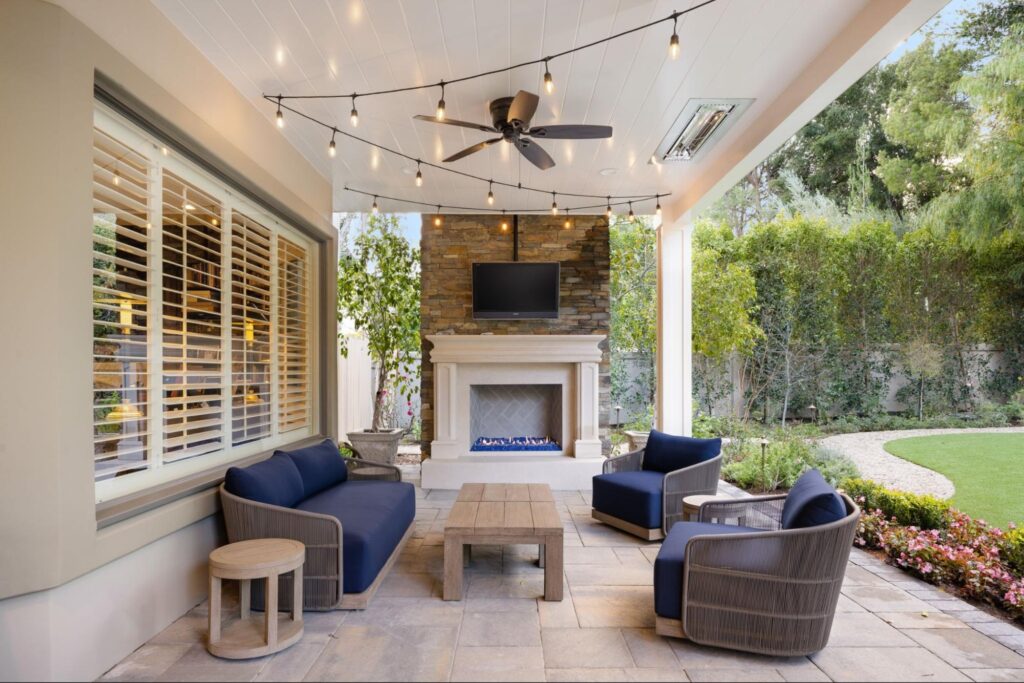
9. Covered Outdoor Living (That Feels Connected to Indoors)
- The regret: Many families end up with a patio that looks nice but rarely gets used because it’s uncomfortable in rain, harsh sun, or summer heat—and it can feel disconnected from indoor living if the flow isn’t right.
- Design tips: Prioritize door placement so outdoor space feels like a natural extension of the main living area. Plan a grilling zone that won’t interfere with seating, and include practical comforts like a ceiling fan and lighting so the space works beyond perfect-weather afternoons.
- Plan now: Roofline and structural support need to be designed upfront, so covered outdoor living is a “plan it early” feature.
10. Basement “Future Finish” Planning (Even If You Don’t Finish Now)
- The regret: Homeowners often wish they’d anticipated future use—no egress plan for a bedroom, awkward stair placement, and no bathroom rough-in are the big ones that make finishing later far more expensive.
- What to rough-in: Even if the basement stays unfinished for now, rough-in a bathroom, consider a wet bar location, plan a dedicated storage room, and add outlets where future TV, desk, or bedroom zones might go.
- Plan now: Foundation decisions and mechanicals are difficult to change later, so set the basement up now to keep future finishing options open.
A Quick Decision Checklist
A semi-custom plan gives you flexibility—but the best results come from asking the right questions before you sign off. Use this checklist with your builder to confirm you’re prioritizing the decisions that are hardest (and most expensive) to change later.
10 Questions to Ask Yourself (and Your Builder) Before Signing
- What does our “daily entry” look like? Where will shoes, backpacks, packages, and coats realistically land?
- Is our kitchen storage designed around how we shop and cook? (Bulk groceries, small appliances, snack zones, etc.)
- Where will laundry happen most often—and is it located accordingly? Do we have space to sort, fold, and hang?
- Do we have at least one flexible room that can change over time? Could it work as a guest room, office, or future bedroom if needed?
- Is the home office truly quiet and private? Or is it exposed to open-plan noise and high-traffic areas?
- Do we have storage in the right places—not just “enough storage”? Where will vacuums, linens, board games, and seasonal décor live?
- Will the garage function beyond parking? Is there room for bikes, trash bins, tools, and a storage wall without blocking cars?
- Do the bathrooms reduce bottlenecks during busy mornings? Enough sinks, enough separation, enough towel/linen storage?
- Does the outdoor living space feel connected and usable? Door placement, shade/cover, lighting, fan, and a logical grilling spot?
- Are we future-proofing any unfinished areas (like a basement)? Stair placement, egress options, rough-ins, outlets, and mechanical layout.
The Key Question: If We Skip This Now, What Will It Cost to Add Later?
Before you finalize the plan, run every “nice-to-have” through this filter with your builder:
- Does it require plumbing, venting, or electrical rough-ins?
- Does it affect framing, load-bearing walls, or the roofline?
- Does it change room sizes, door swings, or traffic flow?
- Would adding it later mean opening walls, cutting concrete, or reworking HVAC?
If the answer is yes, it’s almost always a plan-now decision—because changing it later typically costs more, takes longer, and rarely looks or functions as seamlessly as doing it right the first time.
Frequently Asked Questions
What are the most critical features when designing a semi-custom home?
Key features include clever room placements, appropriate storage, and an efficient flow throughout the home. These foundational elements are difficult to change once construction begins, so early planning is crucial.
How flexible are semi-custom home designs?
Semi-custom homes allow for personalization in room layouts and finish choices while keeping essential structural elements intact. This balanced approach lets you create a tailored living environment without the complexity or cost of a fully custom home.
Can changes be made after construction begins?
Minor adjustments such as finishes can typically be updated later, but altering structural elements or major systems like plumbing once construction is underway can lead to significant delays and increased costs. Early, thoughtful planning is the best strategy.
Crafting a Home for Long-lasting Functionality and Satisfaction
Floor plan regrets are rarely about finishes—they’re usually about layout decisions that didn’t match day-to-day life. The biggest “wish we had” items tend to come down to function-first planning: a true drop zone, pantry storage that fits how you shop, laundry that’s located (and sized) for real routines, flexible rooms that can evolve, quiet work zones, storage in the right places, and layouts that prevent bottlenecks in high-traffic areas.
At Reinbrecht Homes, we have over 30 years of experience building semi-custom homes throughout Southern Indiana. Our expertise guides you through the design process—ensuring that essential decisions about room layout, storage, and functionality are made early to save both time and money.
If you’re ready to build a home that grows with your family, explore our floor plans or schedule a consultation today. Let’s work together to create a more functional, future-ready home that meets all your needs.
