

Moving into a newly constructed home—especially if you’ve chosen new home construction by Reinbrecht Homes—is exciting, but it also comes with new responsibilities. Whether you’re settling into a custom or semi-custom home, you’ll quickly face a key question: which repairs should you handle yourself, and when is it wiser to call a professional—or your builder?
Because new homes come with warranties, advanced materials, and tightly integrated systems, every repair decision carries extra weight. A quick DIY fix might save money today but risk safety, performance, or even your warranty coverage tomorrow. This guide walks you through that decision-making process, helping you recognize low-risk tasks you can confidently tackle, identify issues that demand expert help, and know when to involve your builder so you can protect both your home and its long-term value.
Why Repairs in New Homes Differ from Fixes in Older Homes
New homes often feature advanced materials and modern systems designed for lasting performance. Still, as a home settles, even high-quality construction demands thoughtful maintenance. According to home improvement resources like The Family Handyman, timely repairs can reduce unexpected expenses significantly. By understanding the unique challenges and requirements of new-home repairs, you protect not only your warranty but also your home’s future resale value.
Protecting Your Investment
Every repair decision has a ripple effect on your home’s market value. For instance, essential fixes—such as addressing moisture issues in the walls or reinforcing your foundation—can preserve structural integrity. Meanwhile, smaller cosmetic updates like repainting or re-caulking can freshen the appearance but may not impact long-term value as strongly. Differentiating between critical and cosmetic tasks helps you decide where to invest time and resources.
The Role of Warranties
New home warranties typically cover specific systems—plumbing, electrical, HVAC—and structural elements, often requiring that certain repairs be performed by qualified professionals. If you tackle a major issue yourself when the warranty mandates certified service, you may inadvertently void your coverage. Always review your warranty documents before starting any significant repair, ensuring your actions are fully compliant with the guidelines.
The Risks of “Learning on the Job” in a New Home
While DIY projects can seem cost-effective, a new home is not always the ideal place to experiment. Modern systems and materials are closely coordinated, so an inexperienced repair—like an improperly sealed gap around a window—can create hidden safety or moisture issues. In some cases, these well-intended fixes can also conflict with your builder’s standards or warranty requirements, leading to denied claims or more expensive professional repairs later.
A Simple Framework: Deciding Between DIY and Professional Help
When a repair challenge surfaces, use this decision-making process to protect both your home’s performance and your warranty coverage.
Five Key Questions to Ask Before Starting a Repair
- Is it safe? Identify potential hazards like electrical risks, gas leaks, or structural weakness. If you suspect danger, contacting a professional—particularly for tasks guided by the National Fire Protection Association (NFPA) safety standards—is usually best.
- Could this void my warranty? Confirm whether your home warranty demands professional service for certain fixes. If so, DIY efforts might forfeit your coverage.
- Do I have the necessary skills? Larger projects, such as repairing major electrical circuits, can require specialized experience. Acknowledge your limits.
- Do I have access to the right tools? Using inappropriate or low-quality tools might lead to incomplete work or additional damage. Consulting reputable testing organizations like Consumer Reports can guide you toward reliable tool purchases.
- What’s the worst-case scenario? Evaluate potential consequences. If a mistake would lead to structural damage or compromised safety, hire an expert.


Categorizing Repairs by Risk Level
Use these risk categories as a quick guide:
Green-Light Repairs (Low-Risk):
- Tightening loose cabinet hardware
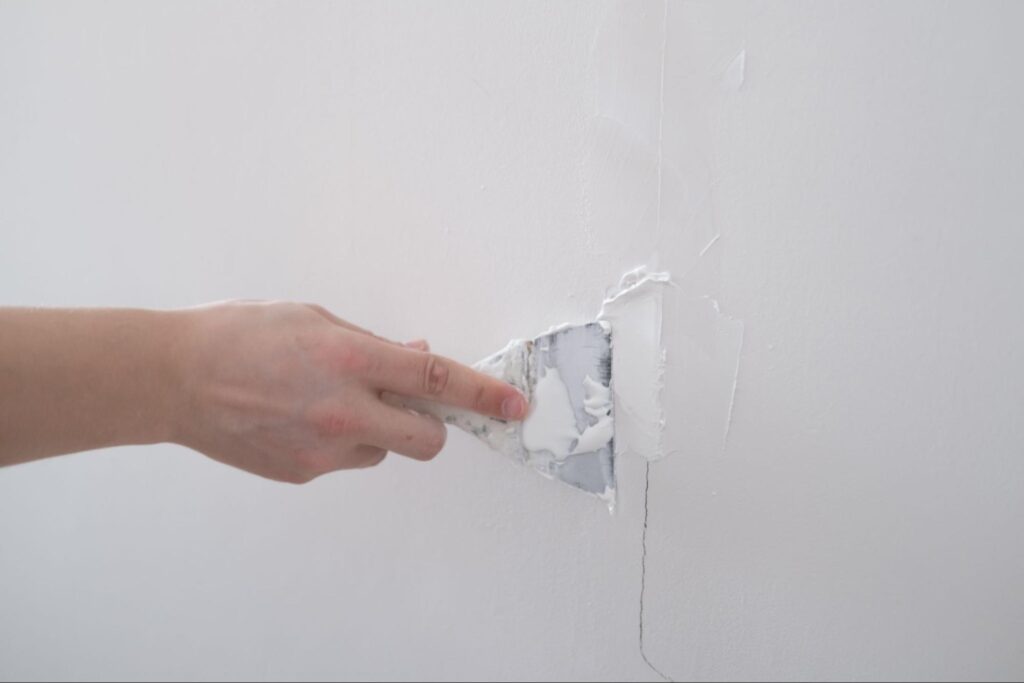
- Touching up small drywall cracks
- Replacing light switch covers
Yellow-Light Repairs (Moderate-Risk):
- Minor caulking or sealing
- Adjusting interior doors
- Installing shelving
- Replacing faucets (if fairly straightforward)
Red-Light Repairs (High-Risk):
- Major plumbing or electrical overhauls
- Roofing repairs beyond small patches
- Foundation concerns or structural shifts
For high-risk tasks, consult your builder or specialized professionals to avoid voiding warranties and incurring bigger expenses down the road.
DIY Fixes for Common New-Home Issues
Fortunately, many minor or moderate new-home repairs are DIY-friendly, helping you save money while preserving your home’s appearance and integrity.
Cosmetic and Convenient Fixes
New homes can develop small flaws as materials settle:
- Drywall Cracks: Apply spackling compound, sand, and repaint as needed.
- Nail Pops: Tap the nail back in, add a drywall screw nearby if necessary, and patch and repaint.
- Cabinet Hardware: Tighten screws or replace cabinetry knobs and handles.
By handling these fixes yourself, you’ll keep your home looking immaculate without significant costs.
Routine Maintenance Tasks
Proactive maintenance prevents larger problems later:
- HVAC Filters: Replace every 1–3 months to promote efficient airflow and reduce strain on your system.
- Gutters: Clean and inspect regularly so water flows away from the foundation.
- Faucets and Plumbing: Check for minor leaks or drips; usually, you can swap a washer or cartridge with basic tools.
These tasks align with recommendations from the National Association of Home Builders (NAHB), which emphasize how routine care preserves property value over time.
Outdoor Enhancements
Outdoor upkeep protects your home’s exterior and boosts curb appeal:
- Landscaping: Basic mulching, planting, and shrub trimming can all be DIY.
- Driveway Cleaning: Periodically pressure-wash to remove dirt or mildew.
- Single-Story Gutter Cleaning: Safely clearing debris can prevent clogs and water damage.
For multi-story gutter work or complex decks and sunrooms, consider professional input to ensure you maintain your warranty.
Tools & Resources to Level Up Your DIY
The right learning tools and simple technology can make your DIY efforts safer, more effective, and better organized.
- Online tutorials and guides: Use reputable home improvement websites and video platforms for step-by-step instructions on tasks like patching drywall, fixing minor leaks, or repainting.
- Local workshops and classes: Community education programs and hardware stores often offer basic courses on painting, tool safety, or simple plumbing and electrical skills.
- Maintenance and reminder apps: Home maintenance apps can prompt you to change HVAC filters, test smoke detectors, clean gutters, or schedule seasonal inspections.
- Cloud storage for records: Store photos, receipts, manuals, and warranty documents in secure online folders so you can quickly reference past work or file a claim when needed.
When to Call a Professional (or Your Builder)

Despite the potential savings in doing it yourself, certain tasks call for expert knowledge and equipment.
Structural and Foundation Concerns
Watch out for cracks along load-bearing walls, doors or windows that suddenly stick, or continuous moisture at the foundation. Consult a professional who understands new construction standards and can address problems thoroughly while respecting any warranty conditions.
Electrical and Mechanical Systems
Complex electrical issues, frequent breaker trips, or anything involving complete circuit rewiring should be handled by licensed electricians. Similarly, HVAC malfunctions—such as compressor concerns, strange noises, or major ductwork issues—are best diagnosed by certified professionals.
Major Plumbing Problems
Serious plumbing issues, like burst pipes behind walls, persistent low water pressure, or repeated backups, demand professional intervention. Attempting to fix a hidden leak without proper skills can lead to mold, structural damage, or worsened plumbing complications.
Roofing, Windows, and Exterior Components
Repairs requiring you to climb onto roofs, remove substantial exterior materials, or replace windows and doors may fall outside safe DIY scope. Improperly sealing or installing exterior components can reduce energy efficiency, invite moisture, or void parts of your warranty.
Critical Safety Systems
Gas lines, smoke detectors, carbon monoxide alarms, and similar safety systems must be installed and tested correctly. Hire qualified technicians and follow local safety regulations and manufacturer guidelines for these high-stakes components.
How to Find the Right Pro
When you do need help, a little vetting goes a long way:
- Confirm licensing and insurance to ensure the contractor is qualified and properly covered.
- Check reviews and ratings on reputable platforms to gauge reliability and past performance.
- Ask for referrals from neighbors, friends, or your builder, especially those familiar with new-home construction in your area.
The Better Business Bureau (BBB) is a good starting point for finding reputable local experts.
Combining DIY with Professional Help
You can reduce labor costs by handling some prep work yourself—like clearing a space or removing old fixtures—then hiring a pro for the more complex or critical finishing steps. This hybrid strategy offers greater control while ensuring crucial fixes stick.
Warranty, Documentation, and Your Repair Paper Trail
Staying on top of your warranty obligations and maintaining thorough documentation is vital for every homeowner.
Understanding Your Warranty
Before reaching for a hammer or wrench, confirm whether the builder’s warranty covers that system or component. If it does, you must follow specific protocols—often involving professional assistance—to keep the coverage intact.
Filing Warranty Claims
If you believe the repair should be covered:
- Take photos or record a brief video for evidence.
- Submit all necessary forms or documentation as instructed by the warranty.
- Log conversations or emails in which the issue is discussed.
Maintaining a Repair Log
In addition to warranty records, maintain a personal timeline of your repair history:
- Issue Description: Summarize the damage or malfunction.
- Date of Repair: Note when you performed the fix.
- Materials Used: Track costs and parts for potential reimbursement.
- Professional Involvement: List the names and contact information of any contractors or technicians.
If you ever sell your home, these records can reassure buyers that it’s been diligently maintained. This transparency also applies if you decide to showcase or discuss your home alongside available homes in your community.
Long-Term Maintenance for Lasting Value
Consistent, preventive care helps your new home perform well and retain its value over time.
- Create a seasonal checklist: Divide tasks by season—such as cleaning gutters in the fall, checking exterior caulking before winter, and servicing HVAC before peak heating or cooling months.
- Inspect major systems twice a year: Take a quick look at your roof, exterior, foundation, and visible plumbing and electrical areas to catch small issues before they grow.
- Control indoor humidity: Use exhaust fans, dehumidifiers, or humidity monitors to prevent excess moisture that can damage flooring, drywall, and trim or encourage mold growth.
- Plan for emergencies: Keep a basic toolkit, flashlights, batteries, and tarps on hand so you can respond quickly to storms or unexpected damage and minimize long-term impact.
Room-by-Room and System-by-System Quick Guide
Use this summary to pinpoint whether you can tackle a repair yourself or call in expert help.
Kitchen and Bathrooms
- DIY: Tightening cabinet handles, swapping aerators, unclogging minor drains
- Call a Pro: Stubborn or hidden leaks, major fixture replacements, or extensive pipe work
Living Areas and Bedrooms
- DIY: Patch drywall cracks, repaint walls, secure loose trim
- Call a Pro: Structural concerns, severe water damage, electrical rewiring
Exterior and Yard
- DIY: Basic landscaping, pressure washing, single-story gutter cleaning
- Call a Pro: Roofing repair, complex siding damage, multi-story work
Mechanical and Utility Spaces
- DIY: Change HVAC filters, keep water heater area free of clutter, ensure vents remain clear
- Call a Pro: HVAC malfunctions, electrical circuit overloads, corroded pipes or fittings
FAQs: New Home Repairs, Warranties, and When to Call a Pro
What new home repairs can I safely DIY?
In most cases, cosmetic and low-risk tasks are safe DIY projects. Examples include tightening cabinet hardware, touching up paint, patching small drywall cracks, and replacing light switch covers. These projects don’t typically affect structural components, major systems, or your warranty.
When should I call my builder instead of doing new home repairs myself?
Contact your builder when the issue appears structural, involves water intrusion, or affects systems that may still be under warranty (such as HVAC, plumbing, or electrical). If you’re unsure whether a problem is covered, check your warranty documents or reach out to your builder’s warranty department before attempting a repair.
Can DIY new home repairs void my warranty?
Yes, in some cases. Many new home warranties require that specific systems—like electrical, plumbing, and HVAC—be serviced by licensed professionals. If you modify or repair these items yourself, you may give the warranty provider grounds to deny coverage for related issues later, so always review your warranty before starting.
How do new home repairs differ from fixes in older homes?
New home repairs often involve modern materials, building codes, and tightly integrated systems designed for energy efficiency. A change to one component, such as insulation or air sealing, can affect ventilation, moisture control, and performance elsewhere. Older homes may be more forgiving of certain DIY fixes, while new homes demand closer attention to compatibility and warranty requirements.
How often should I plan for new home repairs and maintenance?
Expect routine maintenance—like changing HVAC filters, checking caulk, and cleaning gutters—on a monthly, seasonal, and annual basis. True “repairs” are usually fewer in the early years of a new construction home, but small issues such as nail pops or minor settling cracks are normal and should be addressed as they appear to prevent bigger problems down the road.
Putting It All Together: A Practical Guide to New Home Repairs
Ultimately, every decision you make—repairing a minor flaw or tackling a larger project—shapes the performance and longevity of your new construction home. Start each repair by checking your warranty and honestly assessing whether it fits your skills, tools, and comfort level. For low- and moderate-risk tasks, move forward confidently while following basic safety guidelines. When you’re dealing with complex systems, structural concerns, or anything that could affect your warranty, bring in a professional or contact your builder.
A balanced approach that pairs thoughtful DIY work with expert support leads to the best results. With consistent maintenance, attentive repairs, and smart planning, you’ll protect your home’s resale value and enjoy a comfortable living environment for years to come.
If you’re ready for more personalized guidance on new home repairs—or you’re considering a new build—contact Reinbrecht Homes for expert support tailored to your home and your goals.
