
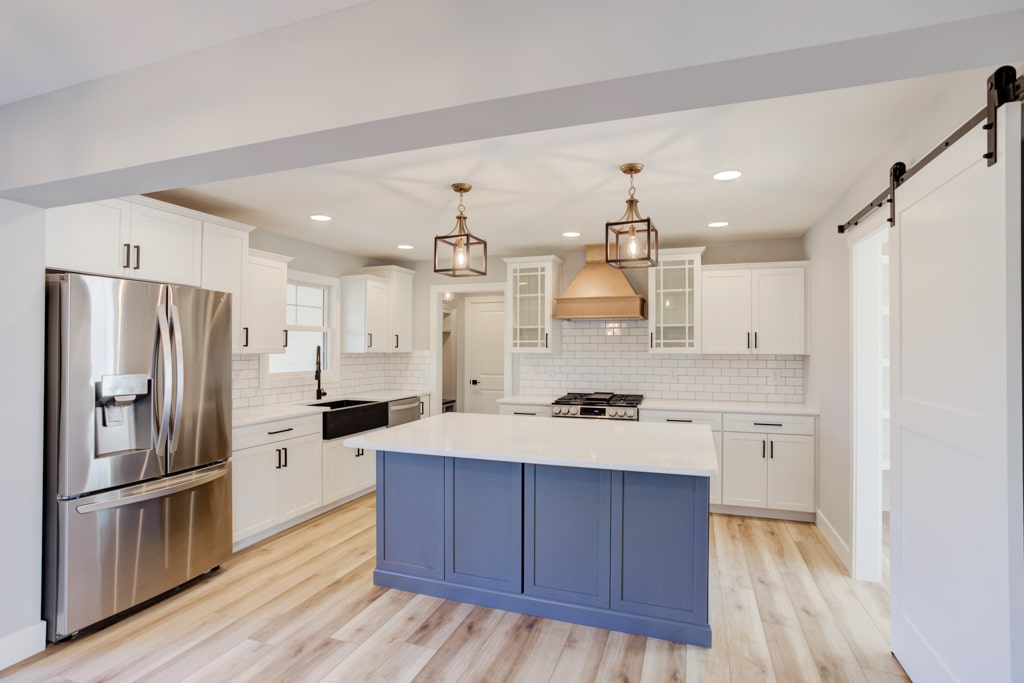
If you’re planning to build a new home in 2026, you already have a significant advantage when it comes to smart home technology. Smart home features for new construction are most affordable and most effective when they’re planned before walls are closed. The key is not the devices you’ll eventually buy. It’s the decisions you make before drywall goes up.
Key Takeaways
- Installing smart home infrastructure during new construction costs 40–60% less than retrofitting the same systems after walls are closed.
- 7 in 10 home buyers are actively looking for a smart home, and 78% say they’d pay more for one.
- The five categories worth planning in advance: climate, security, lighting, networking, and convenience.
- The pre-drywall window is when wiring runs, conduit, and network infrastructure go in at the lowest possible cost.
- Smart home features can increase resale value by 3–5%, and 1 in 5 Americans say they’d pay an additional $10,000 for them.
- The most valuable question to ask your builder isn’t “which devices should I buy?” — it’s “what should we rough in before drywall?”
Why New Construction Is the Best Time to Plan Smart Home Technology
Building new is the lowest-cost window you’ll ever have for smart home infrastructure. Installing smart home technology during new construction is 40–60% less expensive than retrofitting the same features into a finished home. That figure comes down to labor and access: when walls are open, running conduit, pulling wire, and placing infrastructure takes a fraction of the time it would behind finished drywall.
The pre-drywall phase — roughly the window between framing and insulation — is when the most important and least visible smart home decisions happen. Low-voltage wiring for networking, security camera rough-ins, speaker wiring, and smart lighting infrastructure all go in during this phase. Once walls are closed, most of these add 3–5x in labor cost to install. Structured cabling that costs a few hundred dollars during framing can cost thousands after the home is finished.
This is why the conversation to have with your builder is not about which thermostat to buy. It’s about what to rough in — and when.
The Five Smart Home Categories Worth Planning in New Construction
Every smart home system falls into one of five categories. Not every home needs everything on this list, but understanding each category helps you make deliberate decisions before your build begins — instead of making expensive compromises after move-in.
1. Climate and Energy Management
A smart thermostat is the most common entry point into home automation — and one of the most practical. Connected thermostats can reduce heating and cooling costs by 10–23% by learning occupancy patterns and adjusting automatically. Planning during construction lets you go further than a single device:
- Zoned climate control: separate thermostats for different areas of the home, wired during framing rather than added later.
- Vent and return placement: HVAC registers positioned for actual airflow efficiency, not retrofitted around finished rooms.
- HVAC compatibility: confirm your smart thermostat works with your system before the mechanical rough-in is complete.
For buyers in Southern Indiana and the surrounding region, where both summer cooling and winter heating carry real costs, that planning pays dividends year after year.
Reinbrecht Homes builds every home to be 35% more energy efficient than the industry standard. Pairing that efficiency baseline with smart climate controls amplifies those savings further.
2. Security and Access Control
Smart security for new construction typically covers four areas:
- Video doorbells and exterior cameras, which require wiring rough-ins, conduit runs, and weatherproof box placement before drywall
- Smart locks on entry doors, which require compatible door prep and hardware selection during the finishes phase
- Motion sensors and alarm systems, which benefit from wired runs during framing rather than wireless workarounds added after
- Garage door controllers and smart access for attached garages
Camera placement and doorbell infrastructure are pre-drywall decisions. Choosing smart lock-compatible door hardware is a finishes-and-selections conversation in a semi-custom build. The right time to raise it is during your planning meetings, not after your home is complete.
3. Lighting
Smart lighting ranges from simple smart bulbs (no wiring changes required) to smart switch and dimmer systems to, at the higher end, dedicated low-voltage lighting infrastructure. For new construction buyers, the decisions that matter most include:
- Wiring for three-way and four-way smart switch configurations in hallways, stairwells, and multi-entry rooms
- Dedicated circuits for outdoor lighting zones
- Whether whole-home lighting control is worth planning into the structural phase for your home’s size and use
For most buyers, smart switches and dimmers installed at the switch level are the most practical path — they control any fixture on the circuit without replacing every bulb. This is a builder conversation, not something to figure out at the hardware store after move-in.
4. Networking and Connectivity
This is the category most buyers underestimate — and the one that determines whether every other smart system in the home actually works. The average U.S. internet household now has 17 connected devices, and that number continues to grow each year. A home that wasn’t designed for that load will struggle to support it, regardless of router quality.
During new construction, the high-impact networking decisions include:
- Locating the main network panel or structured wiring closet near the electrical panel
- Running Cat6 or Cat6a ethernet to key rooms: home offices, bedrooms, living areas, and media spaces
- Installing conduit in walls for future upgrades without cutting into drywall later
- Considering wireless access point placement based on your home’s floor plan and room layout
Ethernet-wired access points outperform mesh Wi-Fi for reliability and throughput. In a new build, roughing in that cabling costs a fraction of what it would after the home is finished.
5. Convenience and Entertainment
This category covers quality-of-life features that frequently come up late in planning conversations — but are significantly less expensive to address during construction:
- Whole-home audio rough-ins, with speaker wiring to ceiling or wall locations in key rooms
- Dedicated media room or home theater conduit for clean cable management
- An EV charging-ready 240V outlet in the garage (adding this during construction costs far less than retrofitting it later)
- Smart appliance-compatible rough-ins in the kitchen and laundry room
None of these require committing to specific brands during your build. They require the infrastructure — wiring, conduit, and panel capacity — to support those choices when you’re ready to make them.
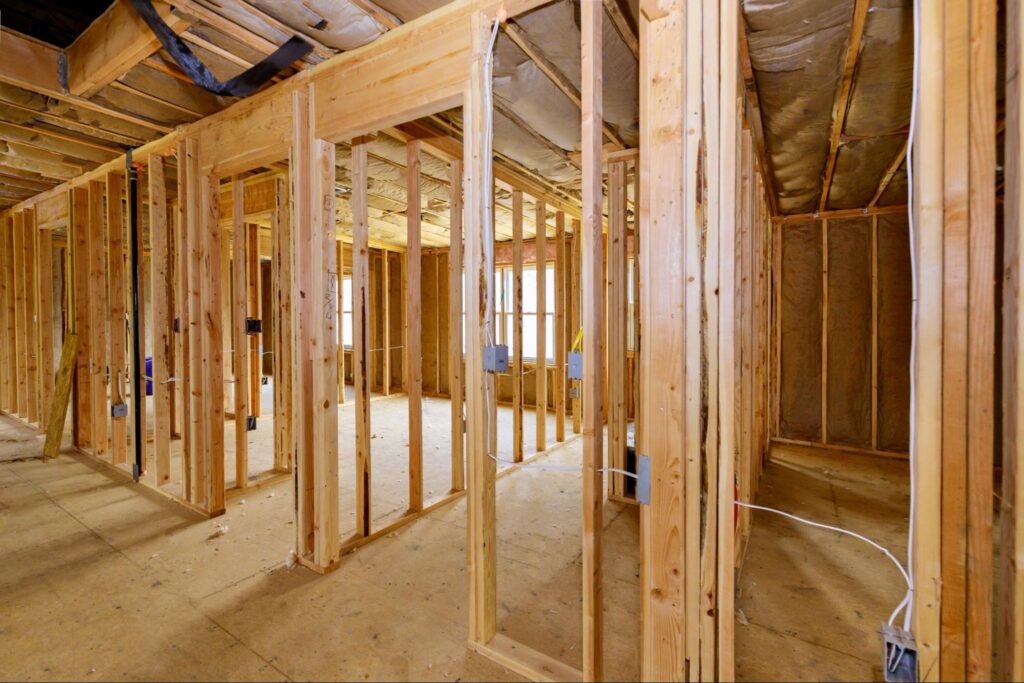
What to Ask Your Builder Before Drywall
Whether you’re working through a semi-custom home selection process or starting with a fully custom home design, the pre-construction phase is when these questions belong on the table:
- Where will the main network panel or structured wiring panel be located?
- Are ethernet runs planned to key rooms, or is the home being designed for Wi-Fi only?
- Is conduit planned for future wiring that isn’t in the current scope?
- What smart lock and doorbell prep is included in the door hardware selection?
- Is the electrical panel sized to support an EV charger or future load additions?
- Where are the exterior camera and video doorbell rough-ins located?
- Is there wiring planned for ceiling speakers in any rooms?
You don’t need to answer all of these at once. Raising them before drywall ensures the options stay available.
Reinbrecht uses Buildertrend throughout the build process, giving buyers real-time access to construction milestones, decision logs, and documentation. That transparency extends naturally to the pre-drywall phase — a built-in checkpoint to review open items and lock in smart home infrastructure decisions before the window closes.
Smart Home Features and Resale Value in 2026
The investment case for smart home features has strengthened considerably. The U.S. smart home market is projected to reach $54.53 billion in 2026, up from roughly $50.3 billion in 2025, and buyer expectations have shifted accordingly. 7 in 10 home buyers are actively looking for a smart home, and 78% say they’d pay more for one.
1 in 5 Americans say they’d pay an additional $10,000 for smart home features. And smart features have been shown to increase resale value by 3–5%. For new construction buyers, the math is favorable: the infrastructure investments made during construction cost far less than the resale premium they can support.
That said, the goal isn’t to maximize technology for its own sake. It’s to make deliberate decisions about which systems will genuinely improve daily life — and which ones are worth roughing in now, even if you’re not ready to activate them at move-in.
Frequently Asked Questions About Smart Home Features for New Construction
Is it really cheaper to add smart home features during construction versus later?
Yes, significantly. Installing smart home infrastructure during new construction is 40–60% less expensive than retrofitting the same systems after walls are closed. The savings come from labor: running wire and conduit through open framing takes a fraction of the time compared to working through finished walls. The infrastructure decisions — wiring runs, conduit placement, panel sizing — are the most expensive to add later. Smart devices can always be swapped out. The underlying infrastructure is what locks in.
Do I have to commit to a specific smart home brand or ecosystem during my build?
No. Most of the decisions that matter in new construction are about infrastructure, not devices. Running ethernet, installing conduit, and specifying compatible door hardware don’t tie you to any particular ecosystem. The major platforms — Amazon Alexa, Google Home, Apple HomeKit, and Matter-compatible devices — are increasingly interoperable, giving you the flexibility to choose devices after you move in.
What is the Matter standard, and does it affect new construction planning?
Matter is a shared smart home connectivity standard supported by Apple, Google, Amazon, and Samsung, designed to make devices from different brands work together without compatibility headaches. For new construction buyers, Matter’s practical impact is on device selection after the home is built — it doesn’t change the wiring and infrastructure decisions made during construction. A well-wired, properly connected home provides the best foundation for any ecosystem, Matter-compatible or otherwise.
Does Reinbrecht Homes offer smart home technology packages?
Reinbrecht doesn’t sell proprietary tech packages. Instead, they work with buyers throughout the selection process to understand which features matter most and make sure the right infrastructure is in place before walls close. The Semi-Custom Standards Guide outlines what’s included in every home as a starting point, and upgrades are discussed collaboratively before construction begins.
How does Reinbrecht’s warranty apply to smart home systems?
Reinbrecht’s Home Buyers Warranty includes 2-year coverage on systems — electrical, plumbing, and mechanical components. That provides reassurance that the foundational infrastructure of a tech-integrated home is protected. Smart devices and consumer electronics are covered separately under their manufacturer warranties.
Start the Smart Home Conversation Before Drywall
Building a new home is the clearest window you’ll have to plan smart home infrastructure affordably. The decisions are simpler than they sound, and the right time to make them is early — when options are open and costs are lowest.
Ready to start planning your new home? Contact the Reinbrecht Homes team to schedule your first meeting to see what’s possible.
