

For anyone building a custom or semi-custom home in Southern Indiana, the journey is filled with exciting decisions. While you focus on floor plans and finishes, a crucial part of the budget is being managed behind the scenes: tap fees. These charges, required to connect your property to vital utilities, are a frequent source of confusion for new homeowners. By understanding them from the start, you can prevent costly surprises and ensure your construction timeline runs smoothly.
What Are Tap Fees and Why Are They Important?
Tap fees are the upfront charges that utility providers impose to connect a property to their network. They serve two main purposes:
- Physical Connection Costs: Covering the labor, materials, and equipment needed to link your property to public utility lines.
- Infrastructure Investment: Helping fund the maintenance and expansion of water treatment plants, sewer systems, power grids, and other foundational systems.
These fees can represent a significant part of your home construction budget. Neglecting them may lead to unexpected expenses and construction delays. Because different counties use varying criteria and fee structures, understanding local guidelines is vital for accurate budgeting and planning.
Utility Connection Guide for Vanderburgh & Warrick Counties
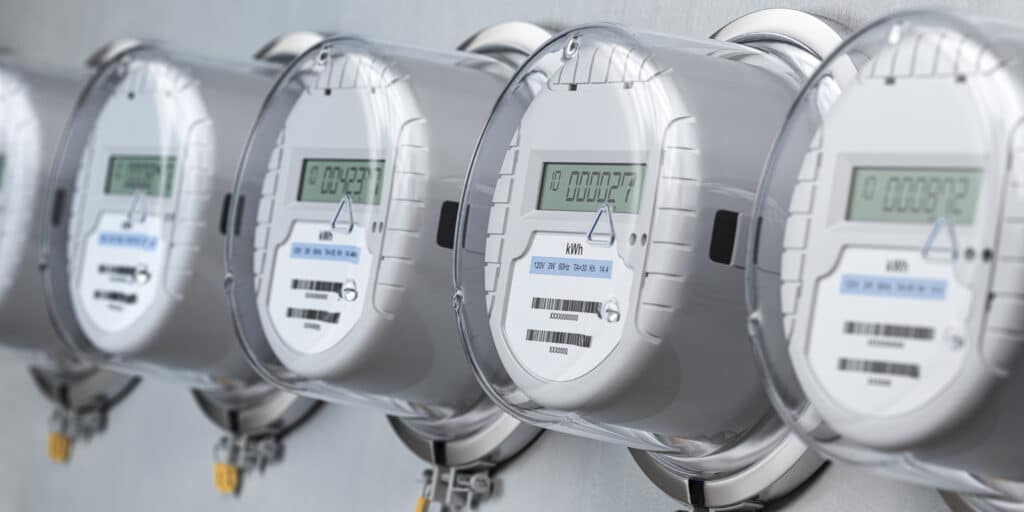
Connecting to essential utilities involves a unique process and fee structure for each service. While the principles are similar across Vanderburgh and Warrick counties, here is a breakdown of what homeowners can expect for each utility.
Water Connections
Connecting to the public water system involves tap fees that are primarily influenced by meter size, property location, and the distance from your home to the existing main water line.
- In both Vanderburgh and Warrick County, you will need to submit applications with basic property documents.
- Properties located farther from municipal sources or outside city limits in Warrick County may require additional documentation and potentially face higher costs due to the need for line extensions.
Sewer Connections
Sewer tap fees are critical for funding the maintenance and expansion of the region’s wastewater infrastructure.
- In most urban and suburban areas of both counties, your home will connect to a standardized municipal sewer system.
- For rural properties in both Vanderburgh and Warrick County that lack access to a municipal line, a septic system will likely be required. This involves a separate set of permits, installation costs, and regulations.
Gas Connections
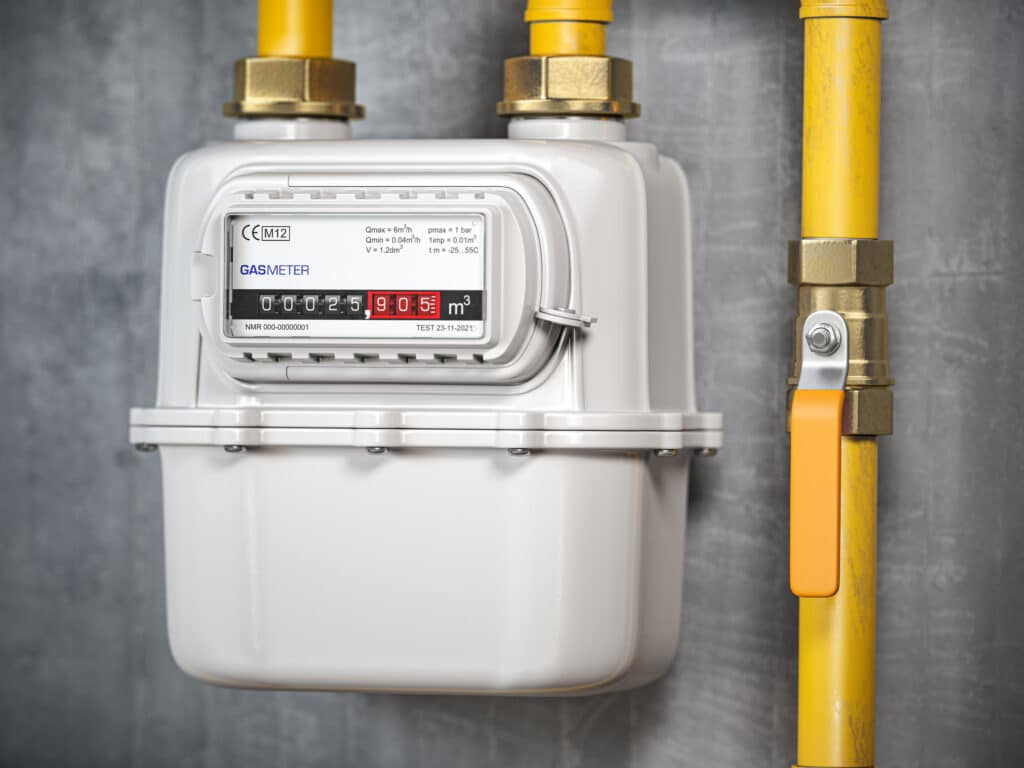
The cost of connecting to natural gas is almost entirely dependent on your home’s proximity to existing gas pipelines.
- Homes in established neighborhoods in both counties typically benefit from lower costs due to readily available infrastructure.
- If your property is in a more remote location, it may require a costly line extension. It is essential to consult the local gas provider early to get an accurate quote.
Electric Connections
Electric tap fees cover the labor and equipment needed to connect your home to the power grid, such as installing meters and transformers.
- Providers in both Vanderburgh and Warrick County will use your building plans and load estimates (how much power your home will need) to calculate the fees.
- If your new home requires significant service upgrades—like setting new poles or installing a larger transformer—you can expect higher costs.
Cost Overview: Estimated Fees for 2025/2026
While fees vary widely according to location and project specifics, homeowners in areas like Vanderburgh and Warrick Counties might consider these rough estimates:
- Water Tap Fees: Roughly in the range of $1,500 to $5,000.
- Sewer Tap Fees: Generally, fees might range from $2,000 to $7,000 or more, especially for properties that require additional extension work.
- Gas Connection Fees: Often in the vicinity of $500 to $1,000.
- Electric Connection Fees: Typically between $500 and $2,000, though additional infrastructure requirements can result in higher costs.
Important Note: These figures are general estimates and could be affected by factors such as inflation, regional growth, and specific project needs. It is essential to verify these costs with local authorities and service providers for the most current and precise information.
Step-by-Step Guide to Utility Connections
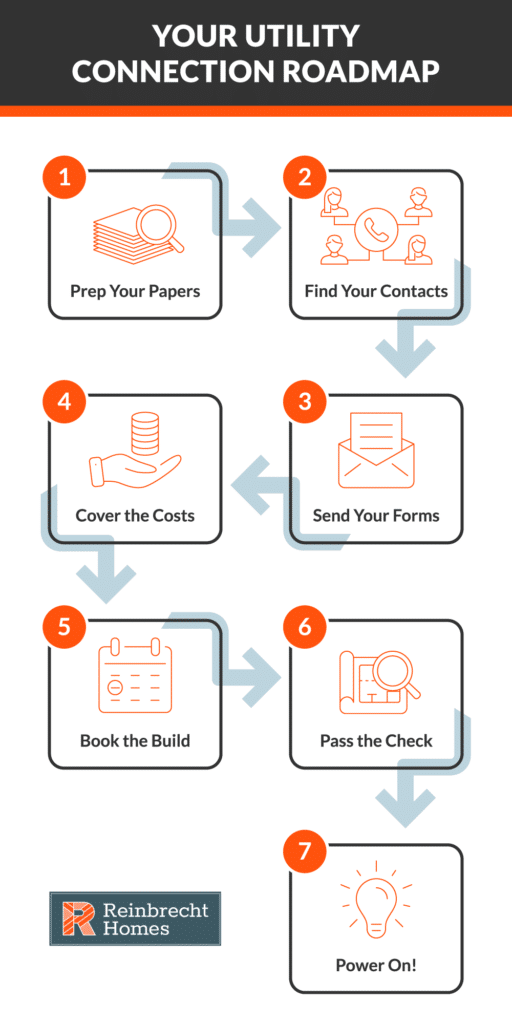
A well-organized approach can ensure that your utility connections are completed smoothly without derailing your construction schedule. Follow these steps:
- Gather Documents: Collect site plans, property surveys, and any required approvals.
- Pinpoint Authorities: Identify which county departments or utility providers manage water, sewer, gas, and electric services.
- Submit Applications: Fill out application forms accurately and attach all necessary documentation.
- Pay Tap Fees: Once approved, pay the required fees promptly to avoid delays.
- Schedule Installations: Align installation dates with your overall building timeline.
- Undergo Inspections: Ensure that all utility connections meet local codes.
- Activate Services: Finalize accounts with each provider to activate the services.
Do’s and Don’ts for a Smooth Utility Connection
Navigating the utility connection process is straightforward if you follow a few key principles. Keep these tips in mind to avoid common pitfalls and ensure your project stays on track.
DO:
- Start Early: Begin the application process as early as possible. Timelines can be longer than you expect, and getting ahead of schedule prevents delays.
- Leverage Expertise: Partner with an experienced homebuilder who can help coordinate with utility providers and navigate local regulations on your behalf.
- Plan for the Future: Consider potential future needs, such as an EV charging station, a pool, or a workshop, and incorporate them into your initial utility plan to avoid costly upgrades later.
- Double-Check Your Paperwork: Ensure all application forms are filled out completely and accurately before submission to prevent them from being rejected.
- Adhere to All Deadlines: Pay close attention to submission windows and fee payment schedules to keep the process moving forward without interruption.
- Ask About Bundling: Inquire with providers if there are any discounts or streamlined processes available for bundling multiple utility installations.
DON’T:
- Don’t Underestimate Proximity: Be aware that properties located far from existing utility lines will likely incur significant additional costs and require more time for connection.
- Don’t Ignore Local Rules: Stay informed about specific county and municipal regulations, as they can change and directly impact your project’s requirements.
- Don’t Miss Payment Deadlines: Late payments can halt the connection process and push back your entire construction timeline.
- Don’t Skip Final Inspections: Ensure all required inspections are scheduled and completed. Skipping this step can lead to service activation delays and potential safety issues.
- Don’t Assume Standard Timelines: Every project is unique. Don’t rely on general estimates; instead, confirm the schedule directly with each utility provider.
- Don’t Forget to Finalize Your Accounts: Once inspections are passed, complete the final steps to have the services activated in your name.
Frequently Asked Questions (FAQ)
What do tap fees include, and how are they determined?
Tap fees usually cover the costs related to labor, materials, and any necessary equipment to connect your property to utility networks, and they also contribute to ongoing infrastructure maintenance. The specific fee is often influenced by factors like meter size, connection distance, and local infrastructure capabilities.
How long does it take to connect utilities to a new home?
The timeline can range from a few weeks to several months, depending on the location, application completeness, and provider scheduling. Early and accurate submission of documents generally helps speed up the process.
Are tap fees refundable?
Typically, tap fees are non-refundable since they contribute not only to the connection expenses but also to the maintenance and upgrade of the utility infrastructure. However, it is best to check directly with your utility provider regarding their refund policies.
Can I negotiate tap fees or find discounts?
Tap fees are usually standardized. However, in some cases, providers may offer reduced rates for new developments or when multiple services are bundled. It is worthwhile to inquire about any available options.
Focus on the Dream, Not the Details
While understanding tap fees is important, you shouldn’t have to become an expert in utility regulations to build your dream home. An experienced builder takes that burden off your shoulders. The team at Reinbrecht Homes has guided countless homeowners in Southern Indiana through this process, ensuring a smooth, predictable, and rewarding construction journey from the ground up.
Let us handle the details so you can focus on the excitement. Schedule your consultation with Reinbrecht Homes today.
